



The UK home espresso market has matured considerably over the past five years. Where Sage and De'Longhi once dominated almost by default, buyers now have credible options at every price point from £150 entry-level machines through to £2,000 prosumer kit. The challenge is no longer finding a machine, but finding the right one for your skill level, kitchen space, and the kind of coffee you actually drink.
This guide covers the machines we recommend in 2026, organised by what matters most to UK buyers: real prices, honest skill requirements, and clear distinctions between automated convenience and hands-on control.
What to Look For in 2026
Pump pressure is the spec every machine lists first, and it remains the most misunderstood. A 15-bar pump rating refers to maximum capability, not working pressure. Real espresso extraction happens at around 9 bar, which any quality machine will deliver consistently. The bigger questions are temperature stability, pre-infusion behaviour, and how the machine recovers between shots.
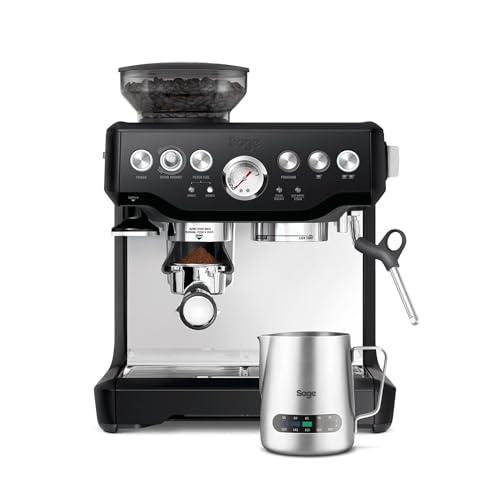
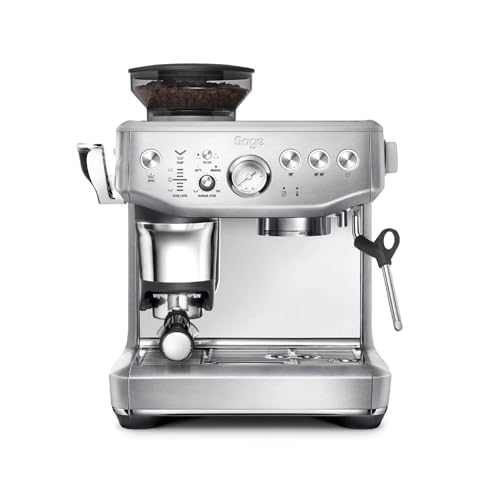
Built-in grinders matter more than they did a decade ago. Sage's Barista Express line, the Breville Barista Max, and several De'Longhi La Specialista variants integrate conical burrs into the machine itself. This saves £150 to £400 against a separate grinder purchase and reduces countertop footprint. The trade-off is grind precision: standalone grinders from Eureka, Niche, or DF will outperform built-in burrs once you reach the £600+ price band.
Milk frothing capability splits buyers into two camps. Steam wands require manual technique but produce genuine microfoam suitable for latte art. Automatic milk frothers like those on the Sage Bambino Plus prioritise consistency over control. Pure espresso drinkers can ignore this entirely and save money on machines without dedicated milk systems.
Water tank size affects daily workflow more than it appears in spec sheets. A 2-litre tank suits one or two espresso drinkers; households making four or more drinks daily benefit from 2.5L or larger reservoirs to reduce refill frequency.
Price Bands and What You Actually Get
Below £200, expect basic pump espresso machines with manual operation, single boiler heating, and steam wands rather than integrated frothers. The De'Longhi Stilosa and Dedica sit here, alongside Beko and a wave of generic 20-bar machines. These produce passable espresso when paired with a separate grinder and good technique, though shot consistency depends heavily on the operator.
Between £200 and £500, the choices broaden considerably. Sage's Bambino Plus and Barista Express variants live in this range, as do Gaggia's Espresso Style line and the De'Longhi Dedica Arte series. Built-in grinders appear at the upper end of this bracket. This is the sweet spot for most UK households moving up from pod machines, balancing automation against the cost of separate equipment.
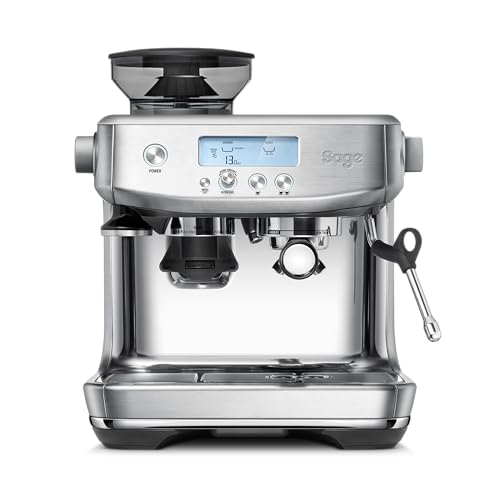
Between £500 and £1,000, you move into prosumer territory. The Gaggia Classic Evo Pro, Sage Barista Pro, and KitchenAid Artisan semi-automatic occupy this band. Build quality steps up noticeably, with brass boilers replacing aluminium thermoblocks on several models. Manual control becomes the dominant approach rather than the exception.
Above £1,000, the Lelit lineup, Sage Oracle range, and Italian prosumer brands appear. Dual boilers, PID temperature controllers, rotary pumps, and commercial-grade 58mm portafilters become standard. The Lelit Anna PL41TEM, MaraX, and Bianca models deliver near-commercial performance for dedicated home baristas.
Brand Overview for UK Buyers
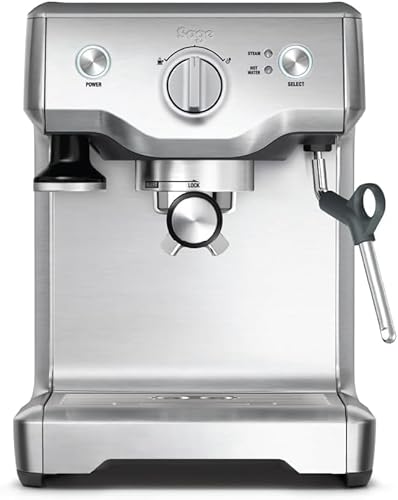
Sage is the UK and European brand name for Breville Australia. Sage Barista Express, Bambino Plus, Barista Pro, Barista Touch, and Oracle models share their technology with Breville-branded equivalents sold elsewhere in the world. This is the same company.
Breville UK, by contrast, is a Russell Hobbs subsidiary brand that sells the Barista Max and Barista Slimline. These are separate machines from the Australian Breville lineup and do not share technology with Sage. The naming overlap creates regular confusion.
Gaggia produces the Classic series, Espresso Style range, and various super-automatics. The Gaggia Classic Evo Pro remains the most-recommended sub-£600 manual espresso machine in the UK, prized for its all-metal construction and rebuilt-from-scratch reliability after the 2019 Evo redesign.
De'Longhi covers the broadest price range, from the £100 Stilosa through the £2,000+ Primadonna super-automatics. The Dedica, La Specialista, and Eletta lines all serve different buyer profiles. UK availability is excellent across Amazon UK, Currys, John Lewis, AO, and Argos.
Lelit, Rancilio, Ascaso, Profitec, and ECM target enthusiast buyers willing to pay £700 to £3,000 for Italian or German engineering. UK Amazon stocks limited Lelit and Rancilio models; specialist retailers such as Bella Barista and Coffee Hit carry the broader lineup.
Common Pitfalls
Buyers regularly underestimate the importance of a separate grinder. A £500 machine paired with a £40 supermarket grinder will produce worse espresso than a £200 machine paired with a £250 Eureka Mignon. If your chosen machine lacks a built-in grinder, factor in another £200 to £400 minimum for the grinder before committing.
Pressurised filter baskets, often supplied with budget machines, allow forgiving extraction with pre-ground supermarket coffee but mask grind quality and prevent proper espresso development. Switching to non-pressurised baskets and a proper grinder transforms the same machine's output.
Maintenance frequency matters more than buyers anticipate. Daily group head wiping, weekly backflushing, and monthly descaling are not optional for machines living in UK hard-water areas. Neglected machines develop scale problems within six months that compromise both flavour and longevity.
Where to Buy
All machines featured in our reviews are available through Amazon UK, where our links direct buyers for current pricing. Currys, John Lewis, AO, and Argos carry the major Sage, Gaggia, and De'Longhi models with standard manufacturer warranties. Specialist retailers including Bella Barista and Coffee Hit stock the Lelit lineup, Rancilio Silvia, and a wider Gaggia selection often unavailable through mainstream channels.
Black Friday in late November and January sales typically yield 15 to 25 percent reductions on the most popular models. Manufacturer warranties of two years apply regardless of retailer for new units purchased from authorised UK sellers.
The best espresso machine for you depends on the specific drinks you make most often, the time you want to spend on technique versus convenience, and what space you can dedicate to the equipment. Browse our detailed reviews below to find the right match.
Not Sure Which Machine Is Right for You?
Take our 30-second quiz and we'll match you to the perfect espresso machine.
Take the Free Quiz →